
Burnout Starts When Support Is Replaced by Pressure
(Support)
Burnout is often framed as a personal failure — a lack of discipline, stamina, or motivation.
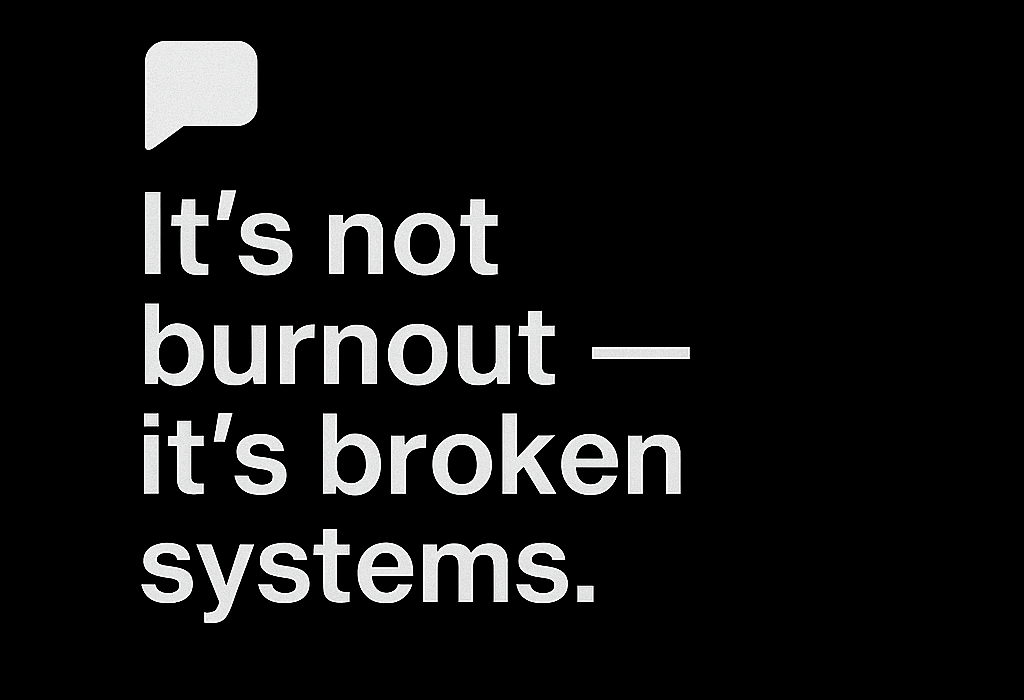
In reality, it’s usually a support failure.
When expectations rise but support doesn’t, creatives compensate by:
- Overworking
- Isolating
- Pushing through fatigue
At first, it may feel like dedication. Over time, the system collapses. Motivation falters, energy depletes, and creativity stalls. Resting alone rarely restores it — because the underlying infrastructure is missing.
Why Burnout Is a Support Problem
Within the Finding the Music Inside® Framework™, the Support layer is the infrastructure that keeps the Self and System functional. Without it, pressure replaces guidance:
- Isolation magnifies stress
- Lack of feedback increases self-doubt
- No accountability lets overwork spiral unchecked
Burnout isn’t a moral failing. It’s your creative system signaling that it’s stretched beyond sustainable limits.
Example:
A songwriter takes on multiple projects while receiving little feedback or guidance. Deadlines loom, and the pressure to perform grows. Even days off feel unproductive because isolation and lack of support leave motivation depleted. Creativity isn’t gone — it’s waiting for the system to be rebuilt.
How Support Restores Sustainable Creativity
Recovery doesn’t come from resting alone. It comes from rebuilding the support system:
- Trusted creative peers who notice struggle and celebrate progress
- Mentors or guides who offer grounding and constructive challenge
- Finishing partners who help projects reach completion
- Spaces where struggle isn’t penalised — environments that allow experimentation without judgment
Even small, consistent doses of support — a weekly feedback session, a co-writing session, or mentor check-in — can restore momentum, energy, and creative flow.
Key Takeaway
Burnout isn’t weakness — it’s a signal that your Support infrastructure needs repair.
You don’t recover by pushing harder or isolating yourself. You recover by rebuilding connection, redistributing pressure, and creating an environment where creativity can flow sustainably. Support isn’t a crutch — it’s the backbone of long-term creative health.